 Future World Forum
 Fifteen kilometres of Dubai are being handed to machines

Robotaxis are already carrying paying passengers in Dubai. The interesting project is the one next to them, and it is not about cars.
The zone
The Dubai Autonomous Zone covers roughly 15 km across Al Jaddaf, Dubai Creek Harbour and Dubai Festival City. It is designed for seven autonomous modes, with the full set targeted by mid-2027. The wider goal remains 25% of trips autonomous by 2030.
Seven modes, not one
This is the part that distinguishes it from every robotaxi programme. A single autonomous mode is a vehicle problem. Seven modes sharing fifteen kilometres is a coordination problem — different vehicle types, different speeds, different rights of way, all reading the same streets and occasionally wanting the same square metre of it.
No city has solved that, because no city has had to. Autonomy has arrived one mode at a time, each negotiating with human traffic rather than with other machines.
Why a small area is the right size
Fifteen kilometres is small enough to instrument completely and large enough to contain real trips between real destinations. Al Jaddaf to Festival City is not a test loop; people actually make that journey.
The risk in bounded zones is the opposite one: systems that work beautifully inside a mapped envelope and degrade at its edge. The honest measure of this project will be what happens at the boundary, where an autonomous corridor meets ordinary Dubai traffic.
Watch the handover points rather than the vehicles. In every autonomous deployment studied so far, the failure surface is the transition — zone edge, mode change, the moment a passenger moves from one system to another. A programme that publishes its interchange design is further along than one that publishes its fleet size.
Source: Dubai Media Office checked against the source
More Dubai news

Four million driverless kilometres
The RTA puts the programme past four million kilometres with 97 per cent customer satisfaction — a pairing that says more about the service than either figure alone.
The train reaches Dubai on 30 September
Etihad Rail’s passenger service formally launches on 30 September, adding Al Yalayis in Dubai and Al Dhaid in Sharjah. Abu Dhabi to Dubai is about 57 minutes.
Delivery drones over parks and beaches
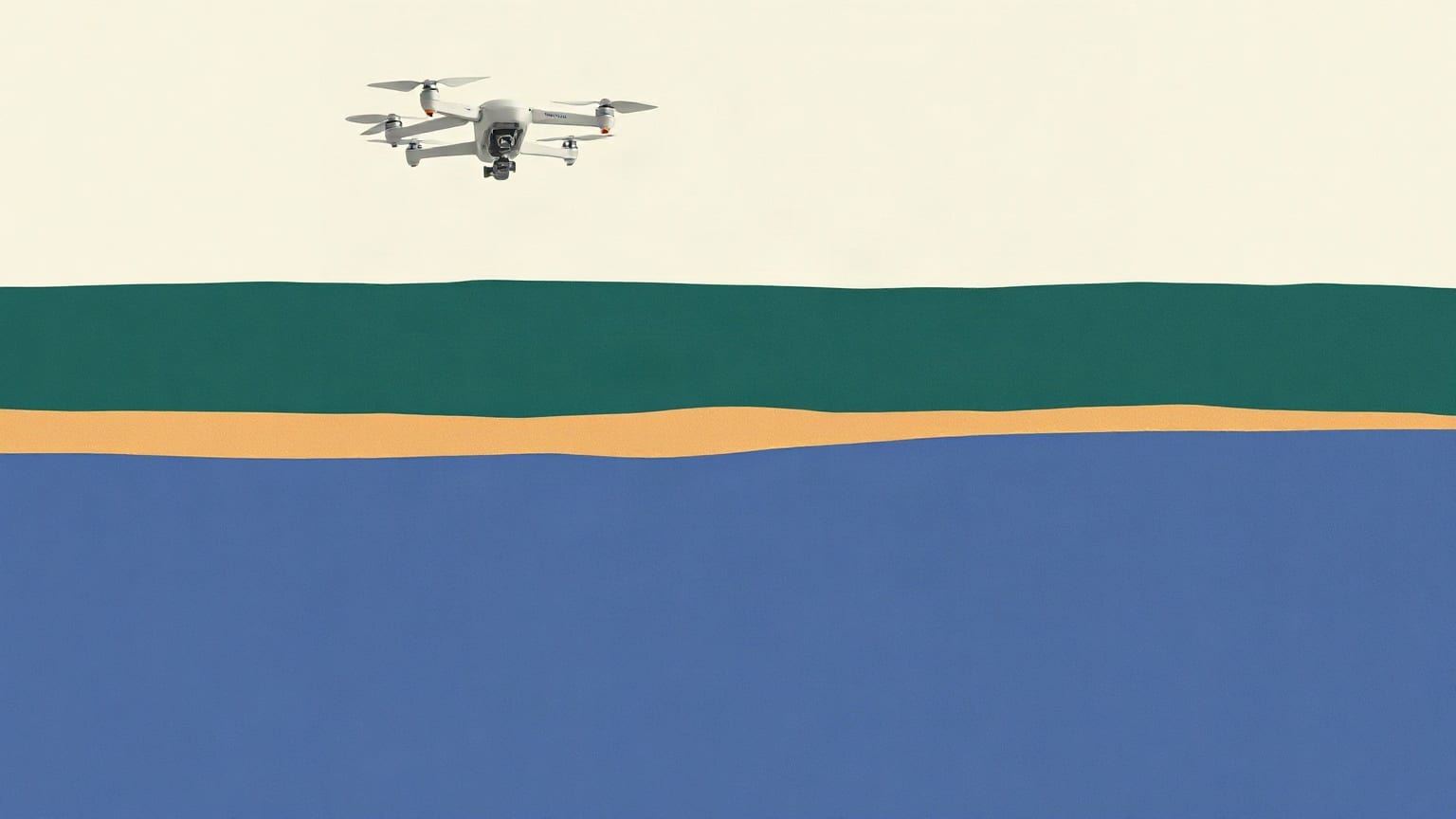
Dubai Municipality and Keeta Drone are bringing aerial delivery to public leisure sites — the first case where the customer has no fixed address.